3×3 Grid

Double Exposure


Personality Type
According to the 16-personality test, I am an ISTJ, which is known as the logistician. According to the website, these results mean I am a reliable and practical person who values structure and clear rules. This means that I tend to approach things in a practical way rather than based off of intuition or emotions. This strong sense of responsibility means that I am a dependable person that others can rely on. Overall, my results describe me as someone who is responsible and stable.
I agree with these results because they match how I usually act in school and my daily life. I do like to stay organized and make sure my work is done. Because of these traits, I do think of myself as someone who is reliable and people can depend on. Although the result is pretty accurate, I wouldn’t say it perfectly describes me as a person because although I do value logical reasoning, I also consider emotions to be an important aspect. Overall, I mostly agree with the results and would say they are pretty accurate description of me.
Portraits with flash


Letter to future IB photo students:
Dear future IB photo students,
First and foremost, if you are feeling unsure about taking this class for whatever reason, be assured that there is no reason to have any doubts. The class is structured in a way that is very supportive and Mrs. Cauchon is super friendly and kind. As someone who had no prior experience in photography whatsoever before taking this class, I was a bit nervous, but Mrs. Cauchon was incredibly helpful and patient with every question or confusion I had. If you aren’t completely confident in your photography skills, don’t worry at all, you’ll have support the entire year.
One of the aspects of the class that I really enjoyed was the freedom to be creative, the variety of assignments really help you figure out what you like and what you’re good at. Whether you prefer taking pictures of landscapes or portraits or anything else, you have the opportunity to explore so many different art forms and techniques. The best part about this class for me was being able to progress my skills and creativity, it’s truly a space where you can grow artistically.
Overall, IB photography is a very fun and rewarding class that I would recommend to anyone. There is so much to learn and so many ways to express yourself. My advice to any future students would be to stay on top of your work even though the class is very flexible and don’t be afraid to really let creativity flow. Good luck to all the future students!
Below Angle


Handwriting


Exhibition Flyer


Light Painting


Screenprint on T-Shirt


Mixed Media Piece

Studio Portraits using Strobes


Social Issue Poster

My poster advocates for the stop of violence against women, whether it be domestic or sexual. I feel very strongly that violence against women must end because it is a horrible violation of basic human rights. No one deserves to experience abuse, yet many women unfortunately do. My argument is based on the belief that respect and equality are necessary in any functional society, this decision has been influenced by the survivor stories I have heard as well as global movements. The flip side of this issue may be that some individuals believe advocating for women ignores men or others who also experience abuse. Although anybody can be a victim, women are disproportionately affected and targeted. I can understand the other side’s desire for inclusivity, but it does not change my perspective that women especially need to be advocated for. My artwork is not intended to offend, although it may offend those who disagree with my standpoint. I believe artwork should make people think, and an artist has the right to offend when they are depicting a harsh truth. I believe my poster does get my point across clearly, through the use of text and the variety of women depicted on the poster, which highlight how women of many backgrounds unfortunately suffer from the same issue. I would say that the focal point of my poster would be all the women holding their fists up in defiance, with a flag reading “Her Story Matters”. I included this intentionally to emphasize my stand on this social issue.
Linoleum Block Printing

Recreation
-

- Untitled, Valeriya Pirushkina


Scavenger Hunt


Surrealism

Surrealism Reflection
-

- The Persistence of Memory by Salvador Dali

The Persistence of Memory by Salvador Dali is an artwork that challenges the way we view time, memory, and reality. The melting clocks defy the rules of nature, suggesting that time is not rigid but fluid, and is bending under the weight of perception and memory. The empty, dreamlike landscape emphasizes the feeling of emptiness and distortion. I think Dali’s work can be interpreted as a reflection on the power of the unconscious mind, where memories blur and reality dissolves. For me, the painting highlights how unstable human experiences can be, reminding us that time and meaning are not fixed but constantly shifting in terms of memory and imagination.
Gallery of Elements of Art and Composition
-

- Color

-

- Color #2

-

- Contrast

-

- Diagonal

-

- Framing

-

- Balance

-

- Value

-

- Form

-

- Leading Line

-

- Line

-

- Repeated Patterns

-

- Rule of Thirds

-

- Shape

-

- Space

-

- Texture

Gallery of Online Pictures (Composition)
-

- Balance

-

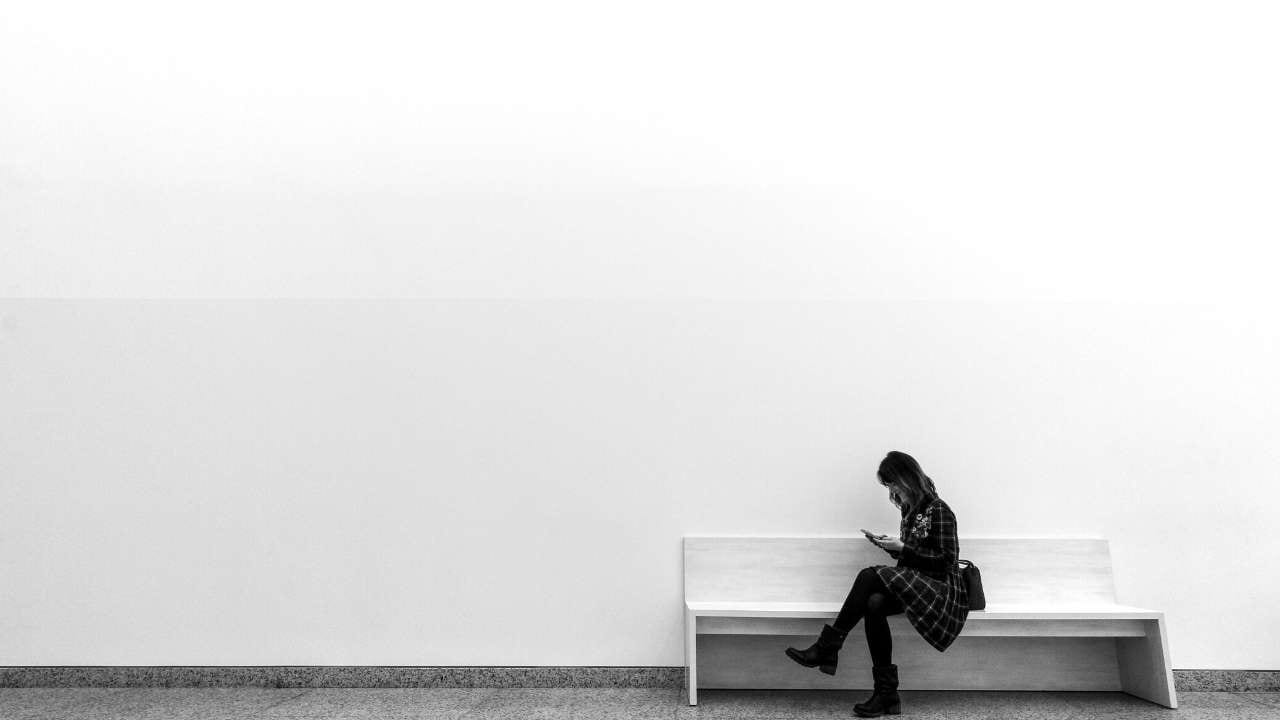
- Space
-

- Diagonal

-

- Shape

-

- Rule of Thirds

-
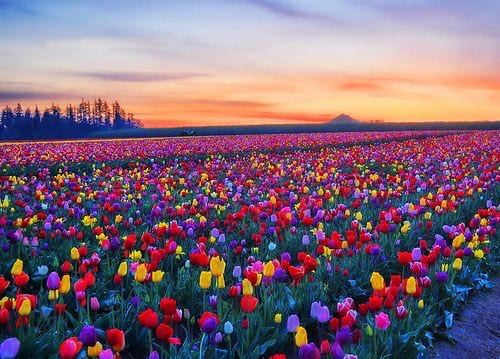
- Color
-

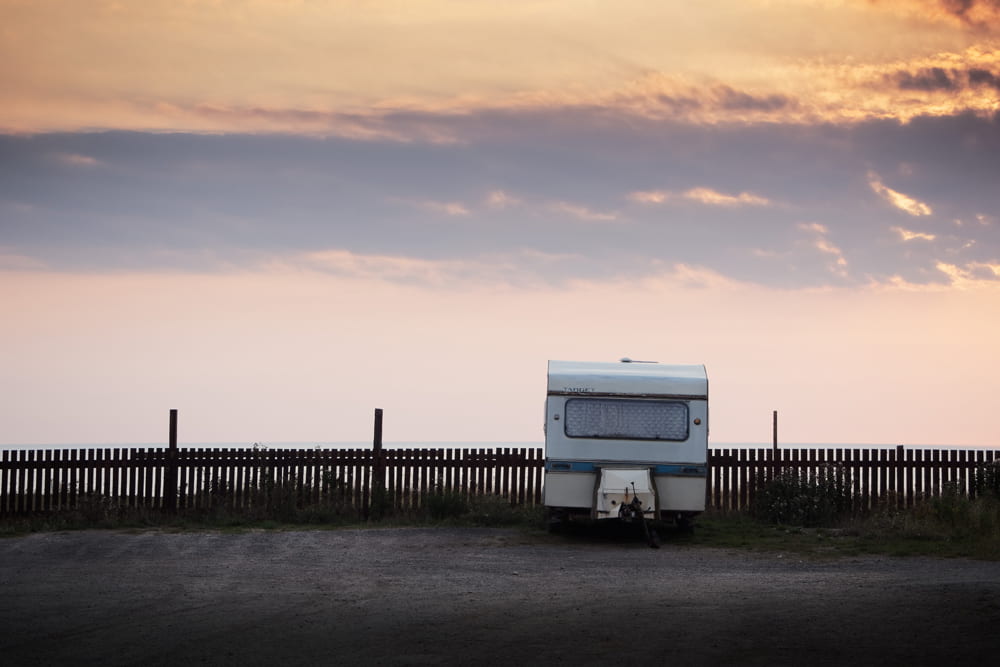
- Line
-

- Framing
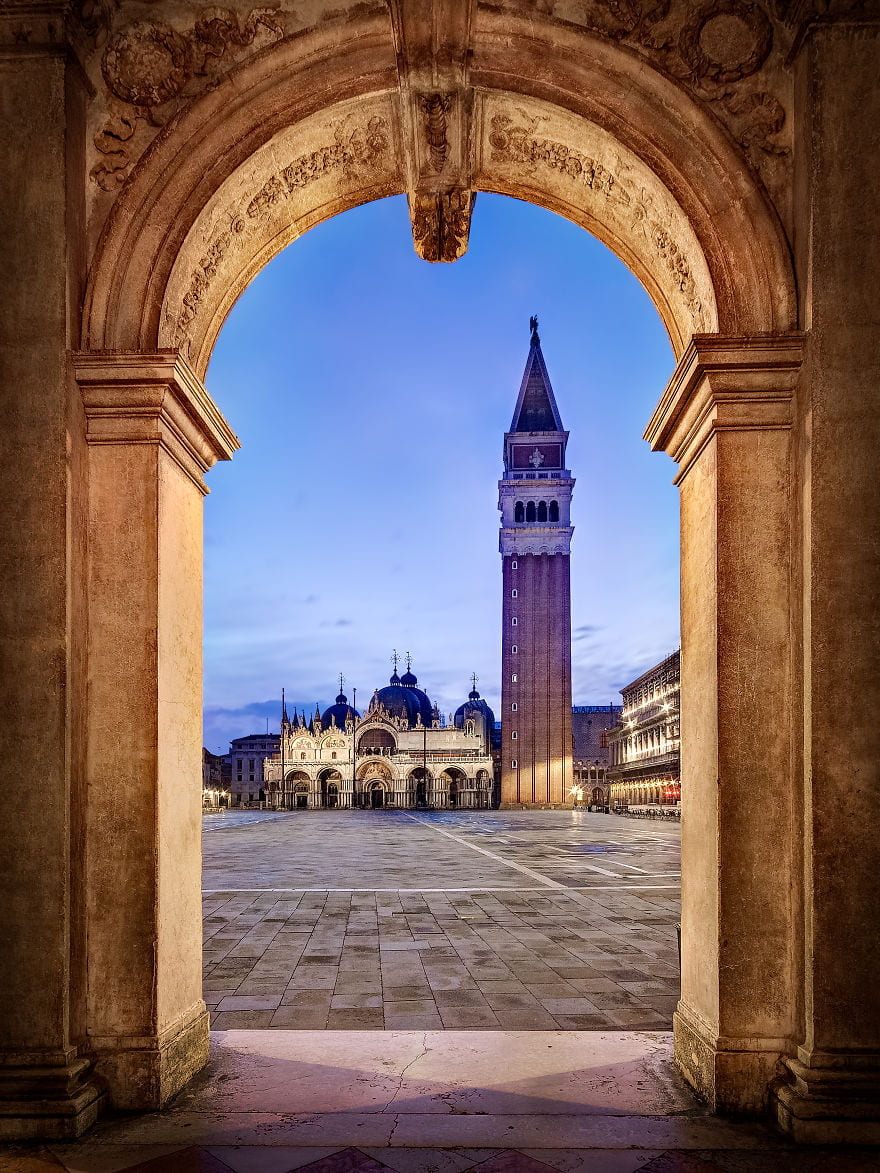
-

- Leading Line

-

- Framing

-

- Texture
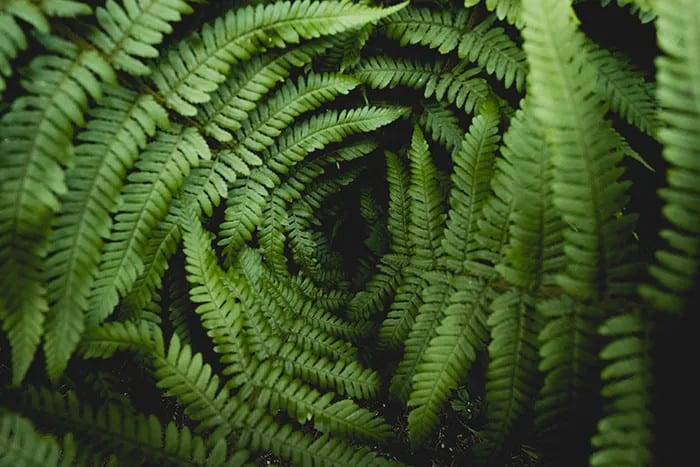
-

- Contrast
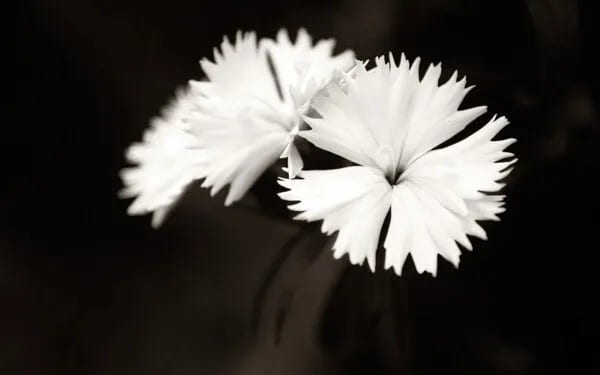
-

- Value

-

- Repeated Patterns

-

- Form
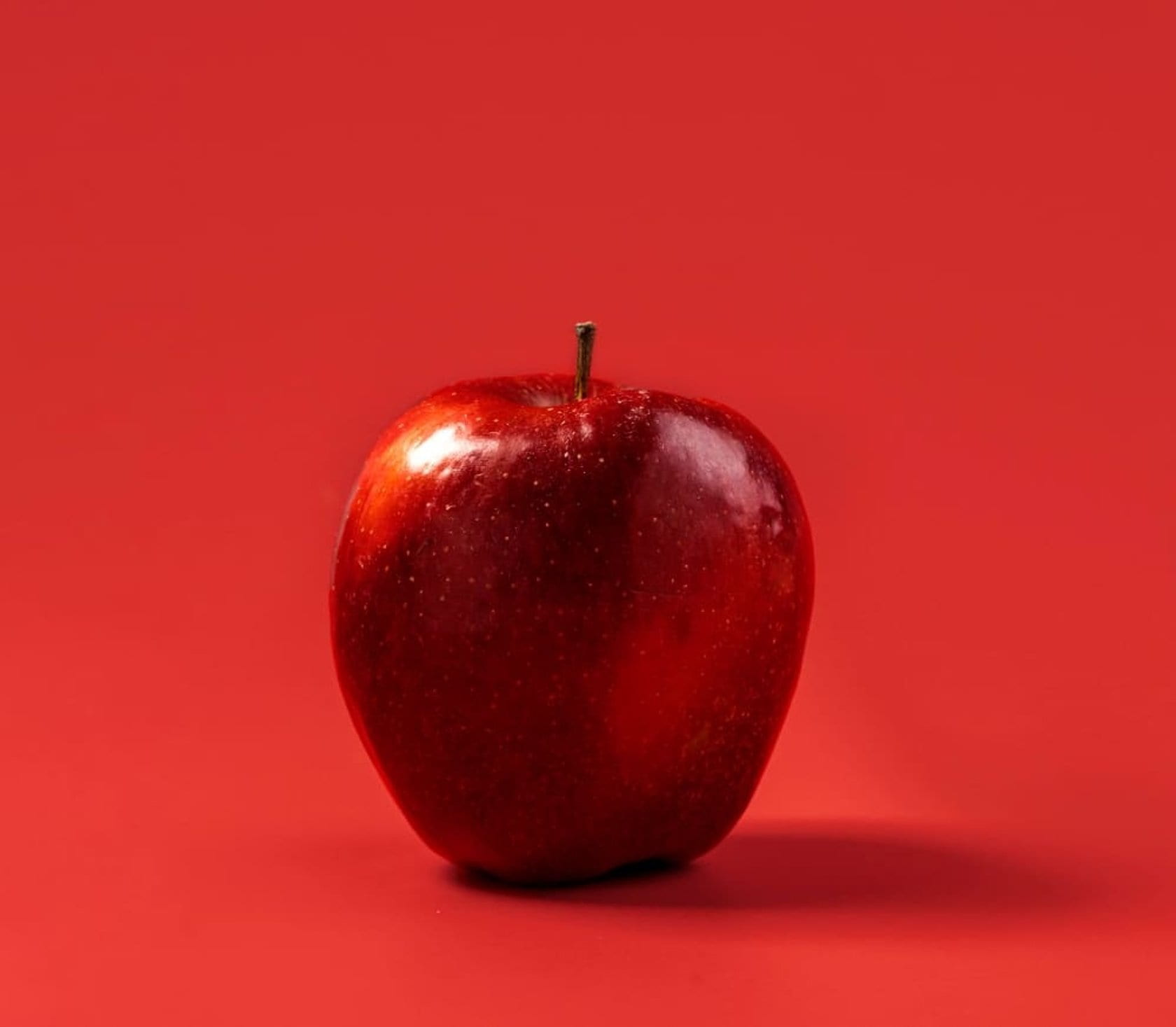
Second Assignment
Using the camera simulator has allowed me to learn various lessons regarding how to use the camera to capture an image as well as adjust it to the way I want it to appear. The simulator allowed me to experiment with the settings of aperture, shutter speed, and ISO while showing me how my image would turn out depending on how I adjusted each setting. This helped me immensely as it allowed me to understand that since both aperture and shutter speed affect the exposure of the image, they have an inversely proportional relationship. This means that when the shutter speed is on the slower side, the aperture should be a higher number (smaller hole) and vice versa. The simulator also displayed different camera modes which helped me understand how aperture priority, shutter priority, and manual mode work. Overall, the simulator was extremely helpful and assisted me in various ways.
First Assignment
- Aperture, shutter speed, and ISO are settings on a camera which control the exposure of a photo. Aperture is the size of a hole in the lens of the camera which allows light to come in, it is measured in f-stops (examples: f/4. f/5.6, f/8). A wider aperture has a smaller number and allows more light while a smaller aperture has a bigger number and doesn’t allow as much light in. Shutter speed is how long the camera’s shutter stays open, a slower shutter (longer time open) lets in more light while a faster shutter (shorter time open) lets in less. Shutter speed can also affect the clarity of a photo, fast shutter speeds create sharp images while slow shutter speeds create motion blur. ISO is the camera sensor’s sensitivity to light, a higher ISO makes images brighter, while lower ISO keeps images cleaner.
- You’d want to change your ISO when the available light isn’t giving you the brightness you want.
- Aperture priority is a camera setting where you choose the aperture and the camera automatically selects the shutter speed, while shutter priority is a setting where you choose the shutter speed and the camera automatically selects the aperture.
- AF modes are autofocus settings that control how the camera focuses, such as single-shot for still subjects or continuous for moving subjects, and you can change them through the camera’s menu or a dedicated AF button or switch.
- You need to meter the light to get the right exposure because it measures how much light is in the scene, helping you set aperture, shutter speed, and ISO so the image is neither too bright nor too dark.
- A normal lens has a field of view similar to the human eye, a wide-angle lens captures a broader view and is good for landscapes or tight spaces, and a telephoto lens magnifies distant subjects and is useful for subjects like wildlife or sports.
- White balance adjusts the colors in your photo to match the lighting conditions so whites look white, and you might change it to correct color shifts caused by different light sources like sunlight, shade, or light bulbs.
- Depth of field is the range of distance in a photo that appears sharp, with shallow depth of field meaning only a small part of the image is in focus and good (or deep) depth of field meaning most or all of the image is in focus.
- Drive modes control how many photos the camera takes when you press the shutter, such as single shot, continuous burst, or timer, while metering modes control how the camera measures light, such as averaging the whole scene or focusing on a specific area.
- Exposure compensation is a camera setting that lets you make your photos brighter or darker than the camera’s automatic exposure setting suggests.